


Yaegaki Shrine in Matsue, Shimane, is widely known as the “birthplace of enmusubi” (sacred matchmaking). Within its grounds you will find highlights such as Kagami-no-Ike, a pond famous for fortune-telling, and Yamagami Shrine, a place that makes many visitors stop in surprise. In this article, we will focus on three main aspects: the history and faith of Yaegaki Shrine itself, the mysterious experience at Kagami-no-Ike, and the astonishing sight at Yamagami Shrine.
At Yamagami Shrine in particular, you will surely be surprised to see male symbols enshrined there. To learn the reasons and background behind them, please read the article through to the end.
Origins and Prayers of Yaegaki Shrine
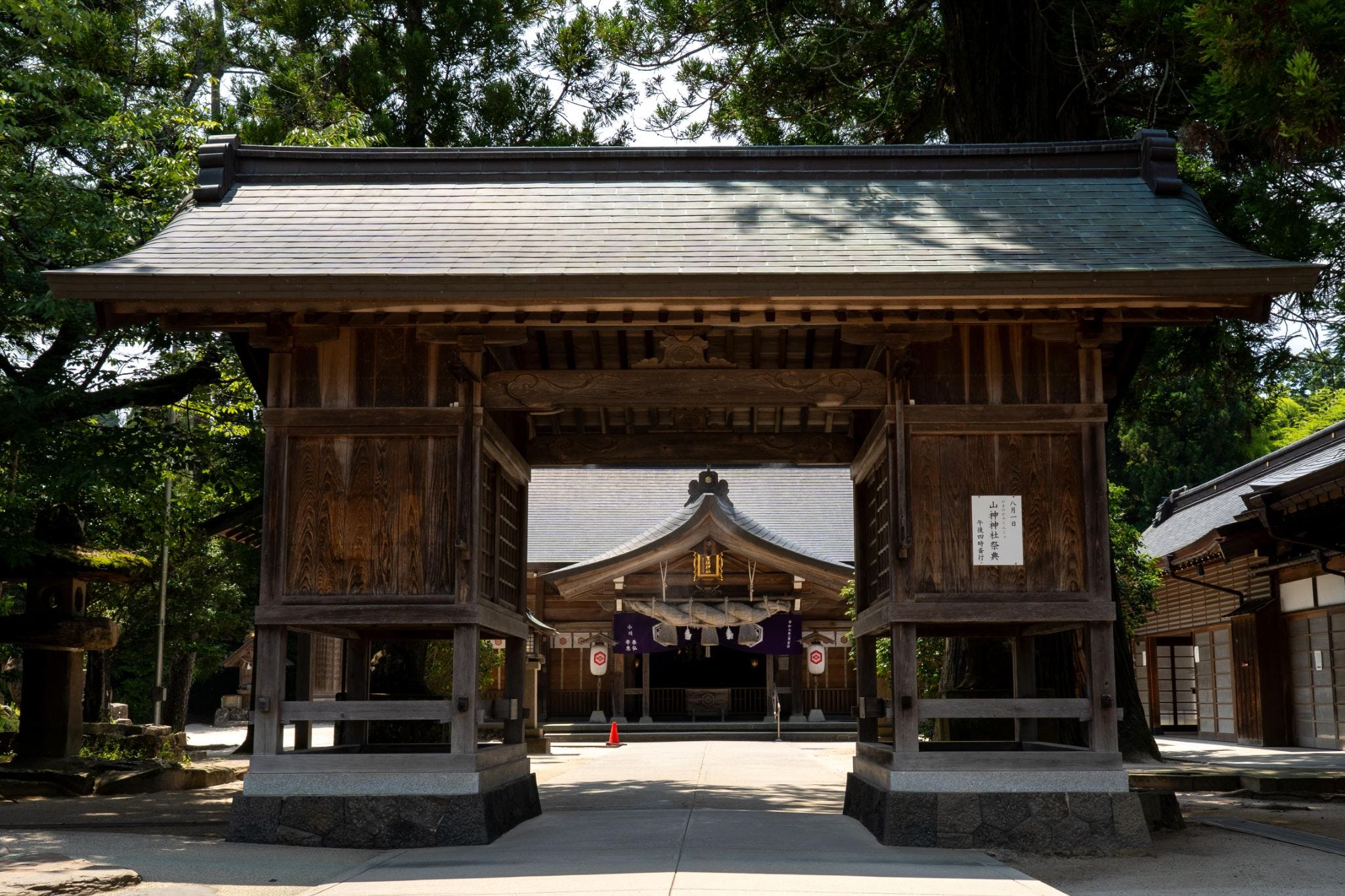
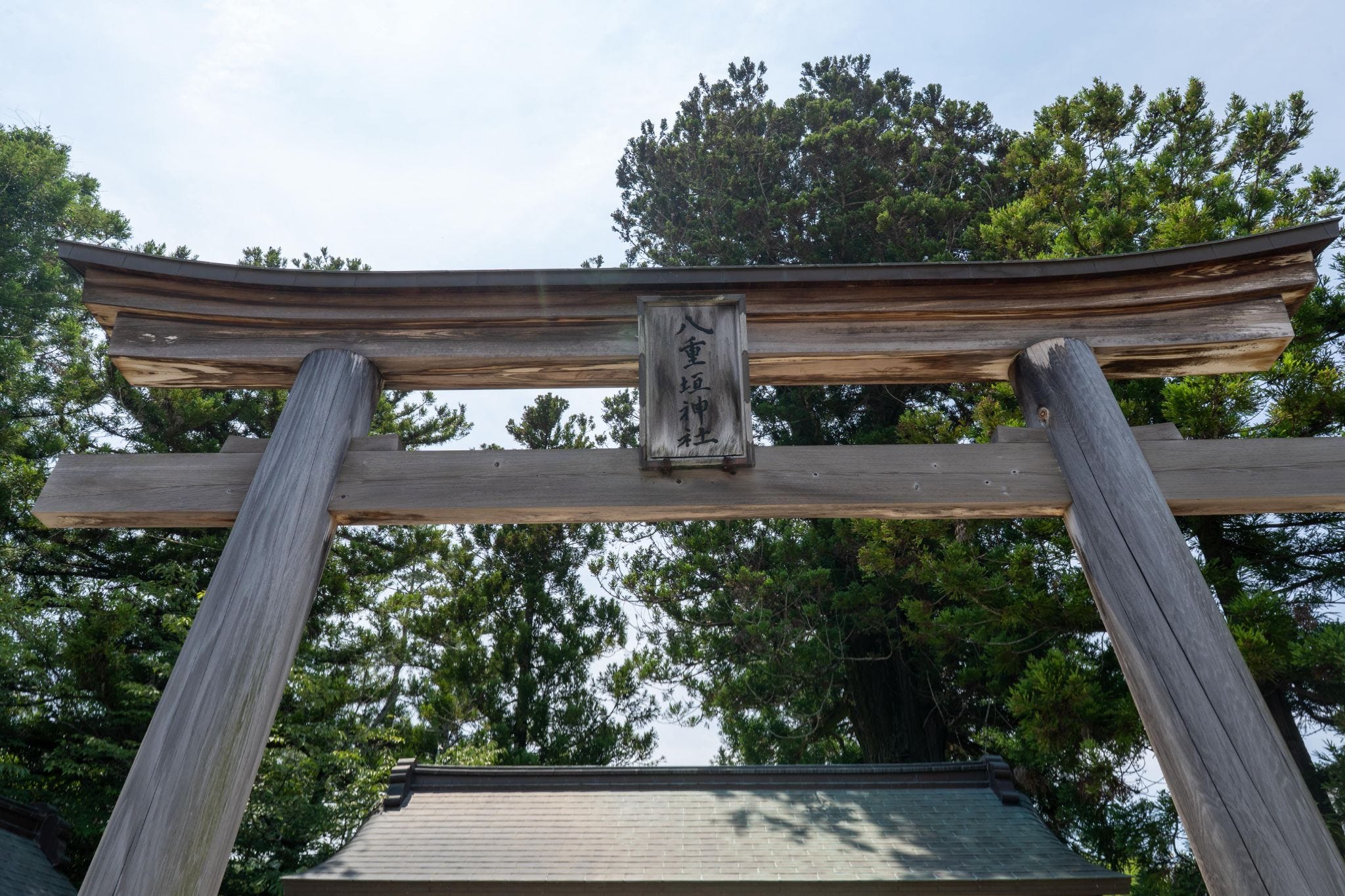
Yaegaki Shrine enshrines Susanoo-no-Mikoto and Inata-hime-no-Mikoto, deities from the Izumo mythology. The shrine traces its origins to the legend in which Susanoo built “eightfold fences” here to protect Inata-hime from the fearsome Yamata-no-Orochi. The two later became husband and wife, and Yaegaki Shrine came to symbolize the faith of enmusubi and marital harmony, cherished by countless visitors.
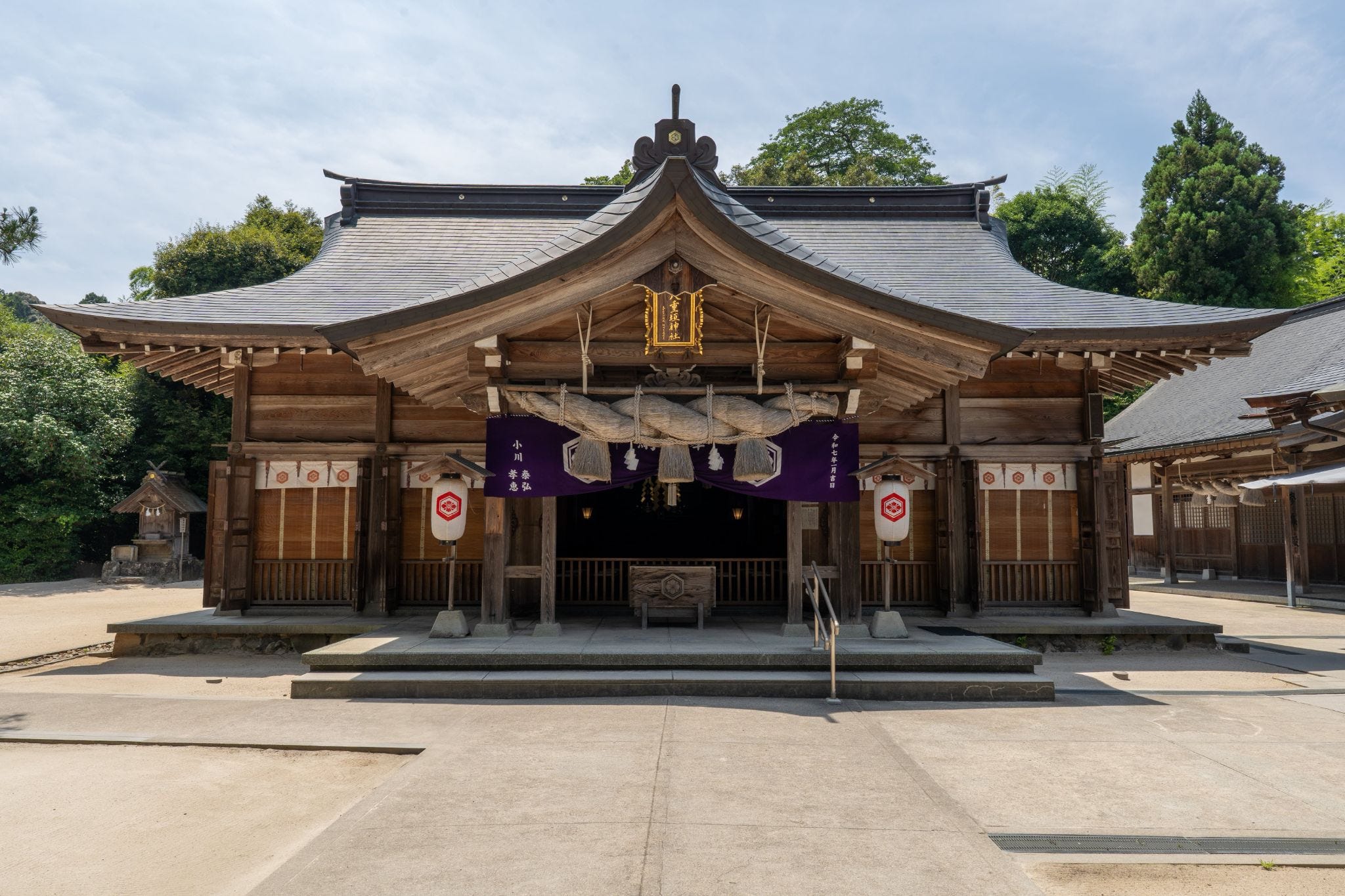
Walking through the grounds, the first sight to capture the eye is the Main Hall in the “Taisha-zukuri” style, characteristic of the Izumo region. Its dignified form conveys the weight of centuries of history. Within the Main Hall are late-Heian period painted wooden images, among the oldest shrine wall paintings in Japan, now designated as Important Cultural Properties of Japan. Their preservation testifies to the great reverence this shrine has received across the ages.
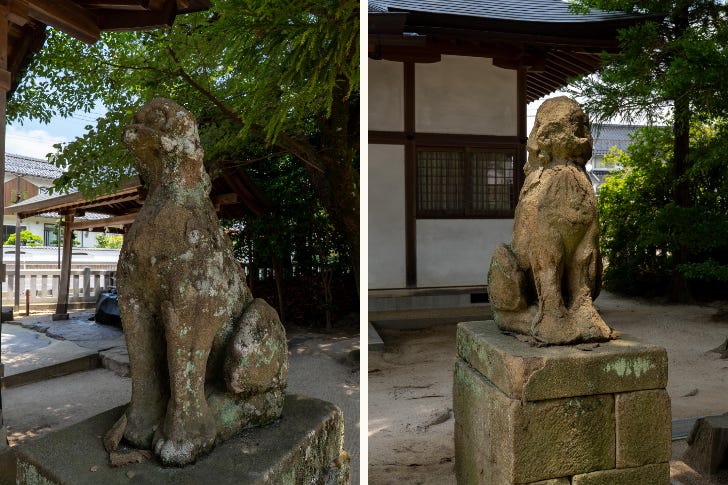
Near the Main Hall stands a pair of komainu (guardian dogs) carved from locally quarried kimachi stone. While their exact date is unknown, their unusual form differs from the typical “Izumo-kamae” style, and they radiate the presence of guardians who have long protected this sacred precinct.
Another highlight is the Meoto Tsubaki (Married Couple Camellias). Tradition tells that two camellia trees planted by Inata-hime grew together and united as one trunk, becoming a sacred symbol of marital vows. Today, three Meoto Tsubaki stand in the shrine grounds. At times, their paired leaves grow joined together, a gentle sign that brings comfort to many who come seeking connection.
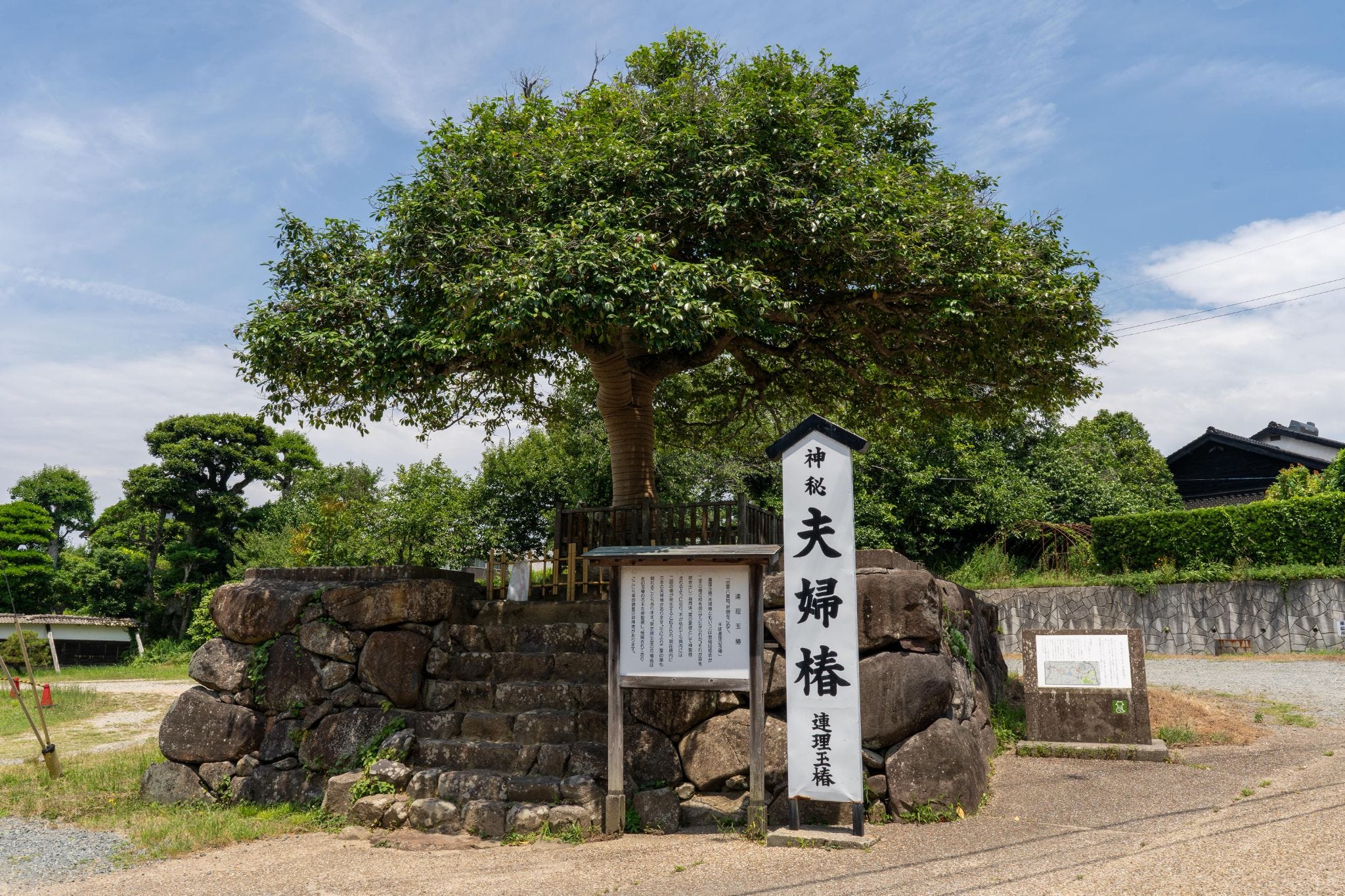
Kagami-no-Ike: A Water Mirror for Divining Connection
No visit to Yaegaki Shrine is complete without the Kagami-no-Ike (Mirror Pond) at its inner sanctuary. According to legend, Inata-hime gazed at her reflection here and purified herself. Today, it remains one of the most famous sites for divining one’s future connection.
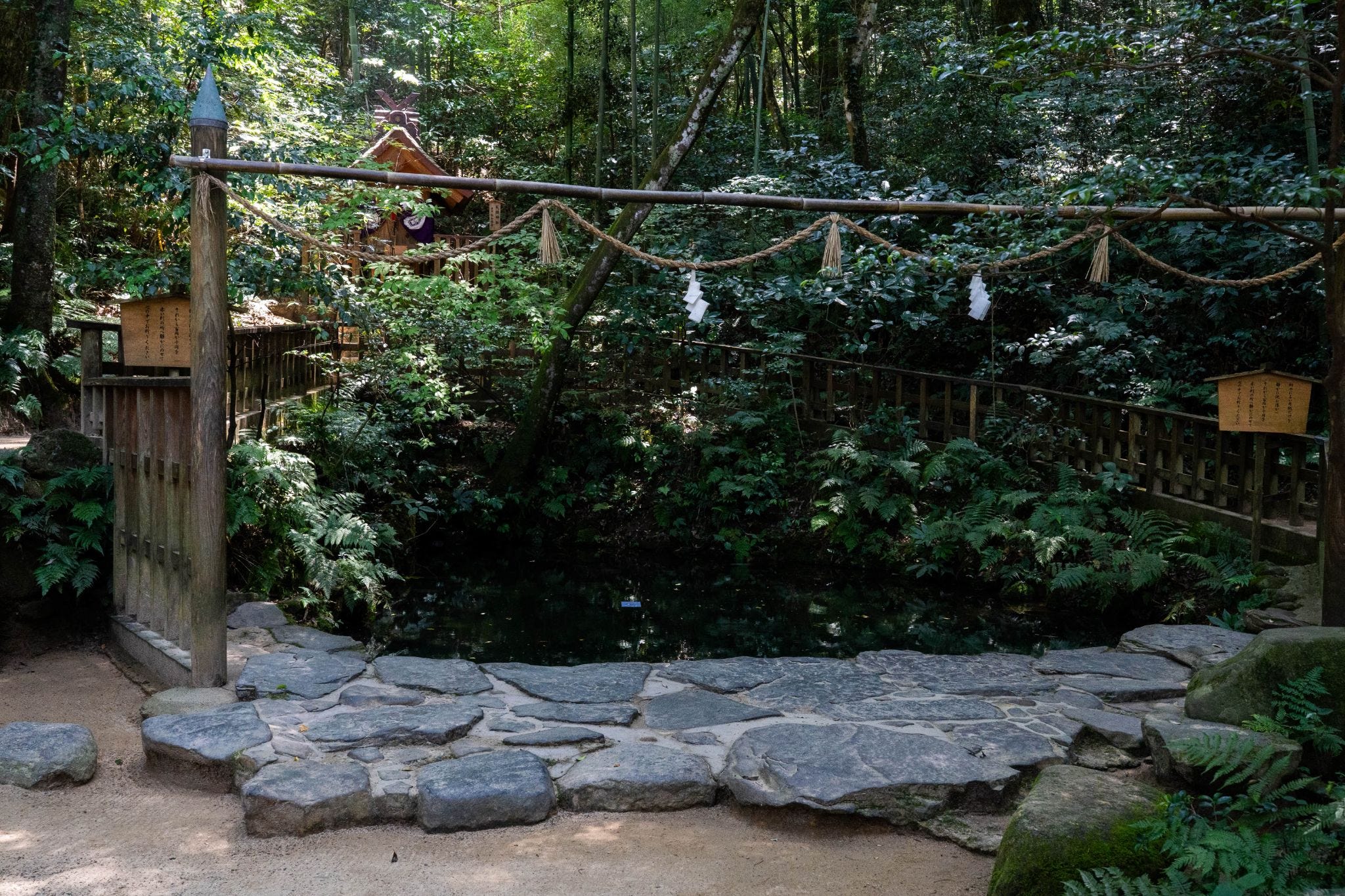
How to divine at Kagami-no-Ike: Place a coin on a special thin sheet of paper (available at the shrine for a small fee) and let it float on the pond. The way it sinks reveals your fortune:
If it sinks within 15 minutes, a good match will come soon.
If it takes over 30 minutes, the connection will be distant.
If it sinks nearby, the connection is with someone close.
If it drifts far away, the connection is with someone distant.
When I tried the divination, an extraordinary scene unfolded. My paper, though on still water, began to drift as if gently pulled by an unseen force. My husband, who joined me, saw his paper move in another direction entirely, and we watched in awe as each sank at a different pace. It felt impossible not to sense something beyond us at work.
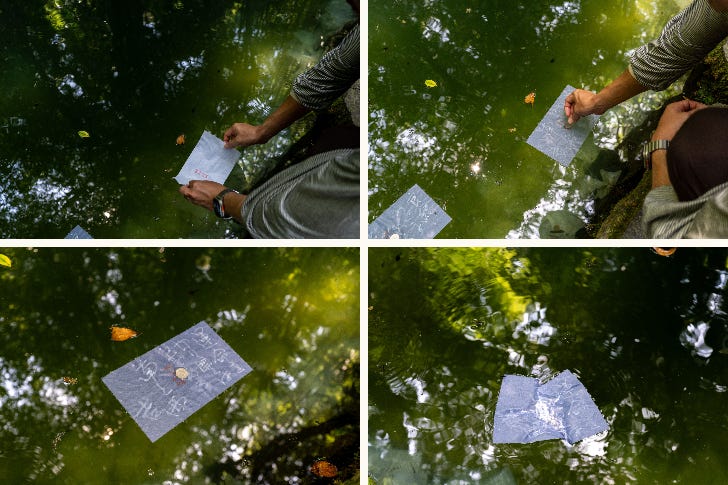
Even more curious, another paper already floating when we arrived lingered on the surface the entire time until we left. Each movement, each sinking paper, seemed to reflect the unseen ties of human connection. This experience went beyond fortune-telling, allowing us to feel the true mystery of the place.
