

Why Everyone in Japan Wears Masks in Spring
Life in Japan – Issue 020

This Saturday article is part of the “Life in Japan” series.
Unlike the in-depth essays published on Tuesdays, this series focuses on everyday life in Japan, sharing seasonal changes and daily scenes from a more personal and familiar perspective.
The twenty-four solar terms have entered Shunbun (Spring Equinox), and within the seventy-two micro-seasons, we have reached Sakura Hajimete Saku (桜始開), the time when cherry blossoms first begin to open. Japan is now approaching the season of cherry blossoms.
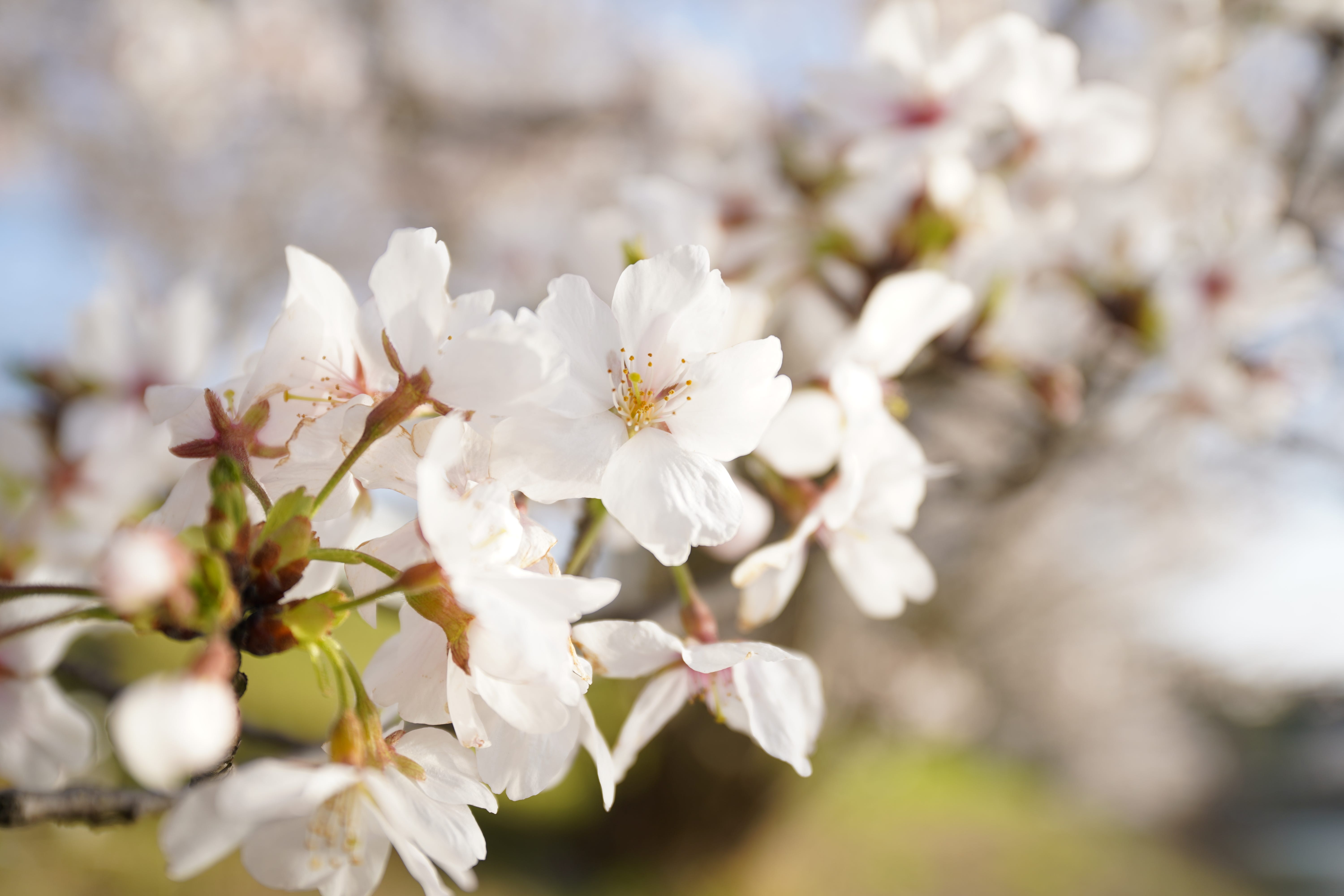
The temperature is rising, and the sunlight has become softer. It is a time of year when you feel inclined to go outside or open the windows to refresh the air in your home. However, there is another change during this season that often surprises those visiting Japan.
It is the sudden increase in the number of people wearing masks in the city.
On station platforms, in business districts, and in residential areas, many people are wearing masks, even though they do not appear to be unwell. Among foreign residents living in Japan, there are many who find this sight puzzling. The reason is not illness, but pollen, known as Kafun (花粉).
Kafunshō as Part of Everyday Life in Japan
Kafunshō (花粉症) is an allergic reaction to plant pollen. It is known in the United States as hay fever, but in Japan its impact is particularly significant.
Although the figures vary depending on the study, it is said that more than 40% of the population in Japan experience some form of Kafunshō. From my own observation, it feels even more widespread than the statistics suggest. Looking around, many people appear to experience some level of symptoms, such as rhinitis, itchy eyes, or skin irritation. Rather than being regarded as a special illness, it has become a familiar part of the spring environment in Japan.
In contrast, the prevalence in the United States is often cited as being around 10% to 20%, depending on the study. This suggests that the impact is more widely felt in Japan.
Changes That Affect Foreign Residents in Japan
Living in this environment, foreign residents in Japan may also experience similar changes. When they first arrive, they may be surprised by the number of people wearing masks, and may view it as part of local customs or habits.
However, after a few years, they may begin to notice symptoms such as sneezing or itchy eyes. In fact, there are reported cases of people developing Kafunshō about three to five years after moving to Japan. As a result, they become part of the same scene that they once observed from the outside.
Why Is There So Much Pollen?
The main causes are trees such as Sugi (Japanese cedar) and Hinoki (Japanese cypress). These were planted across Japan during the post-war reconstruction period as materials for housing. Today, these trees have matured, and in spring they release pollen across wide areas.
Pollen is not an air pollutant like yellow dust or exhaust emissions. However, because many people experience symptoms, measures against Kafunshō have become widely established in Japan.
There are also regional differences within the country. For example, 釧路市 is known as an area with very few Sugi trees. As a result, it is considered a place where the impact of pollen is relatively low, and is noted as a region where this season can be more comfortable.
The Spread of Countermeasures and Medical Care
During this season, drugstores in Japan display a wide range of products designed to address pollen. These include high-performance masks, eye drops, nasal sprays, and other items. There are also products such as clothing that resists pollen adhesion and sprays applied to the face.
Japan’s public health insurance system also supports medical care for Kafunshō. Many people visit medical institutions and receive prescription medication tailored to their individual needs.
In recent years, additional treatment options have become known, such as sublingual immunotherapy, which gradually builds tolerance to allergens, and antibody treatments for more severe cases.
A Season When Cherry Blossoms and Pollen Arrive Together
Spring in Japan is characterized by the overlap of cherry blossom season and pollen season.
For those with Kafunshō, it is a time when preparation is necessary before going outside. At the same time, for those without symptoms, it is a comfortable and pleasant season.
If you are planning to visit Japan, this is a time when you can enjoy the seasonal scenery. Surrounded by cherry blossoms, you will be able to experience one aspect of spring in Japan.
You may also enjoy these stories
Are Japanese People Unkind? The Complex Psychology Behind the Silence and Non-Confrontation

Thank you for always reading the Spiritual Japan Journal.
Spring’s First Messenger: Haru Ichiban and Japan’s Relay of Blossoms

This week, a series of fierce gusts swept across the Japanese archipelago. Far from the gentle breeze one might expect of spring, these winds were powerful enough to rattle signs and bring public transportation to a standstill. To those hearing this news from afar, it might seem like nothing more than a bout of bad weather. Yet, when people living in Ja…
—Written by Sumire
I work as a doctor in the UK and we do have quite a lot of hay fever and other pollen allergy patients here too (I prescribe eye drops, nasal sprays, antihistamine tablets for it regularly) but I think we may not quite have the extremely high pollen counts as Japan can get. In Germany (where I am originally from) we do can get quite bad high pollen counts and most of the people in my family suffer quite badly from it (I'm very lucky, so far I have been spared from it until now). Somehow the idea of using masks to lessen the symptoms seems to have never caught on in Europe!
I developed hay fever after I turned 30.
My son is only five, and he already has it too.
I honestly envy people who don’t have to deal with it.