


Matcha (抹茶 Powdered green tea), Wabi-sabi (侘び寂び The aesthetic of imperfect beauty), and Sado (茶道 The Way of Tea). These words have become widely known internationally when discussing Japanese culture. The time spent enjoying a bowl of tea in a quiet space is not merely eating and drinking, but is received as a complete experience. In that moment, there is an indispensable touch of color: Wagashi (和菓子 Traditional Japanese confectionery).
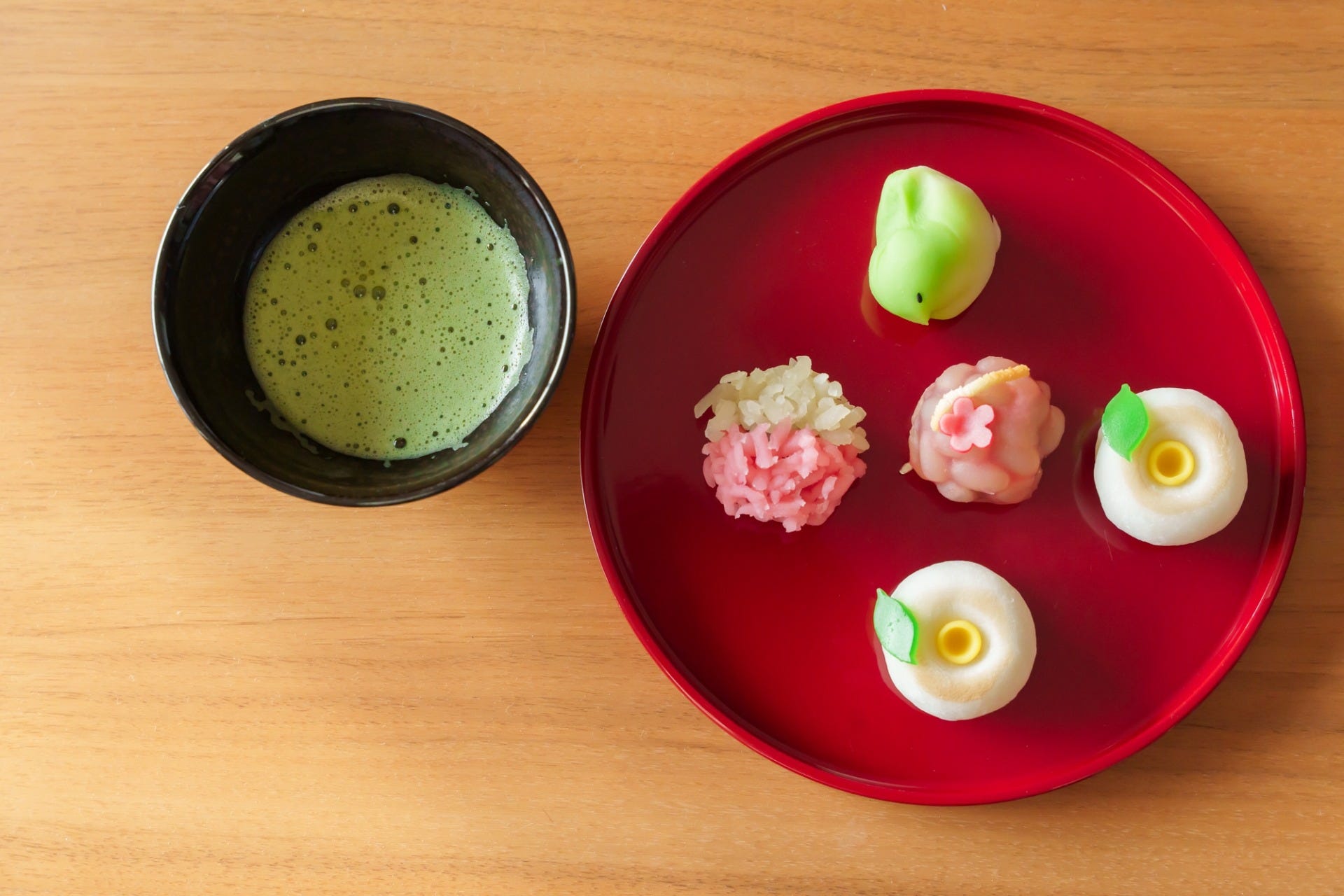
At first glance, they may appear to be nothing more than small, delicate sweet treats. However, Wagashi are more than just desserts. They are a direct physical expression of how Japanese people have faced nature, felt the seasons, and practiced hospitality toward others.
During the cherry blossom season, pale pink sweets line the shops; in autumn, designs reflecting the crimson leaves are born. Each one is created with the premise of being savored with the eyes before being eaten. Wagashi is a uniquely Japanese form of expression that encompasses not only taste, but also sight and the sense of time.
How was this culture shaped? From the era of eating nature’s bounty as it was, to the court culture, the tea ceremony, and its spread into the lives of commoners, Wagashi has slowly transformed. This time, while tracing its origins, we will look at the Wagashi culture nurtured across Japan and the aesthetics still being passed down today.
To deepen my understanding, I also participated in a Wagashi-making experience at an established shop in Kyoto. I will share my reflections on that experience in the latter half of this article. While Wagashi is food, it is an existence that does not end there. By touching upon the thinking behind it, the outlines of Japanese culture become more clearly visible.
