

A New Series Begins
Life in Japan - Issue 001

Thank you, as always, for reading Spiritual Japan Journal.
Today, we are beginning a new Saturday series called Life in Japan.
Until now, we have shared Japan’s culture, history, and the places we visit, based on primary sources and experiences from our travels.
We will continue to write the Tuesday editions with the same care as before.
At the same time, we wanted to share more of the everyday life in Japan—the things we notice because we live here.
The change of seasons, what appears on the dining table, the air of the streets, and the subtle cultural habits that shape daily life.
We believe that these small scenes help Japan come alive in a more three-dimensional way.
This is Japan not as travel, but as a way of living.
We hope you can feel even a little of that atmosphere through this new series, Life in Japan.
If there is something you are curious about—customs, seasonal traditions, daily habits—please let us know in the comments.
We hope to continue this project while listening to your voices.
On Tuesdays, we’ll share the deeper layers of Japan.
On Saturdays, we’ll share Japan as daily life.
Have you read our recent piece “Inside a Samurai’s Home”?
We take pride in visiting places in person and gathering the material ourselves.
Japan may be a small country, but crossing one prefecture to another often reveals new scenery and culture.
These discoveries make each visit meaningful.
For the “Inside a Samurai’s Home” article, we traveled to Hagi in Yamaguchi Prefecture.
Hagi once flourished as the castle town of the Mori clan, and traces of that era remain in its quiet streets.
It is also known as one of Japan’s traditional pottery centers, producing Hagi-yaki.
Japan has many pottery regions.
The soil differs from region to region, as do the glaze compositions and firing methods, so even a single category like “tableware” has countless forms.
Well-known examples include Arita-yaki in Saga, Hasami-yaki in Nagasaki, and Mino-yaki in Gifu.
When we visited Saga, we brought home several pieces of Arita-yaki—delicate porcelain with a translucent white surface and fine hand-painted designs that bring an elegant atmosphere to the table.
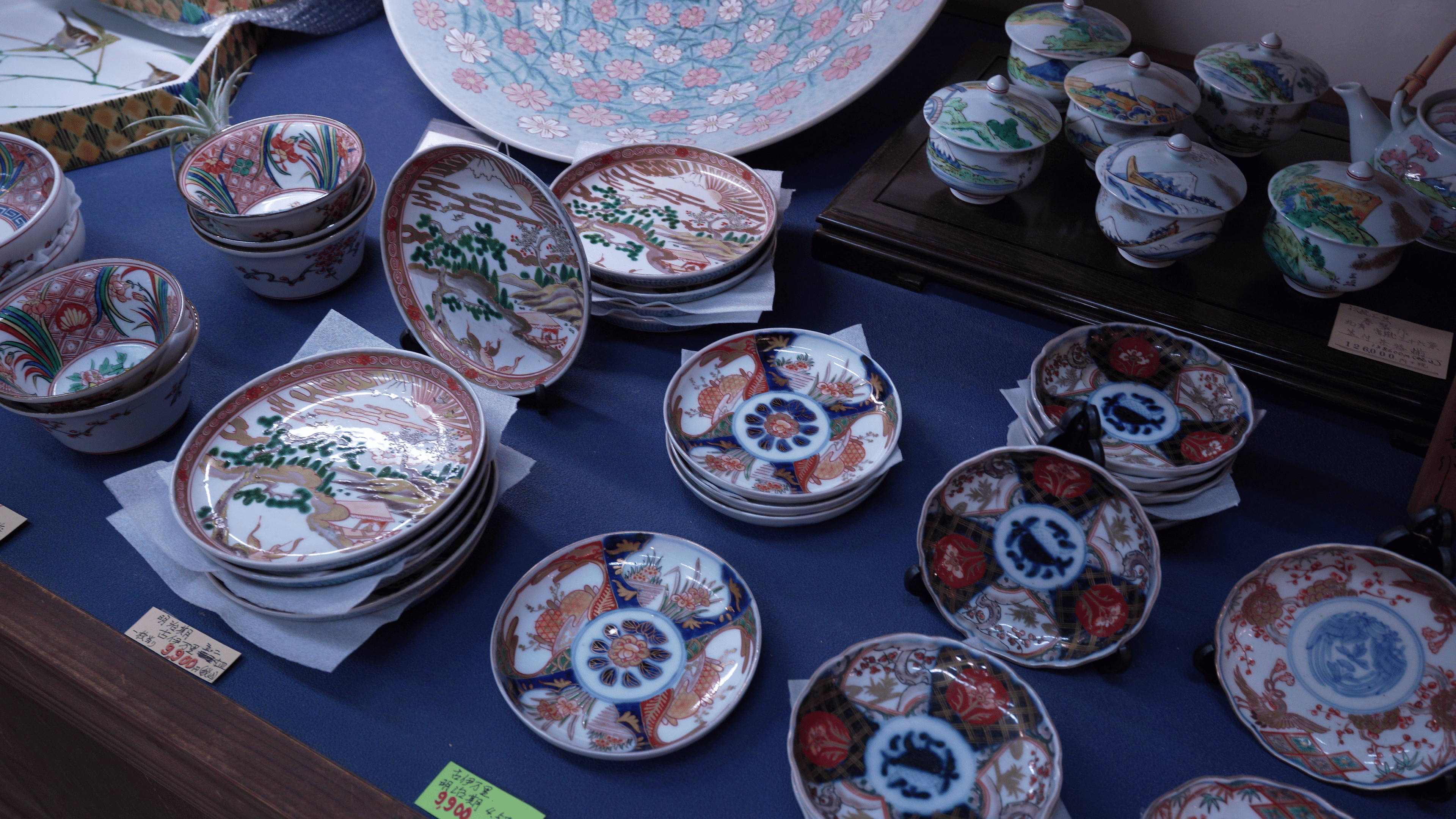
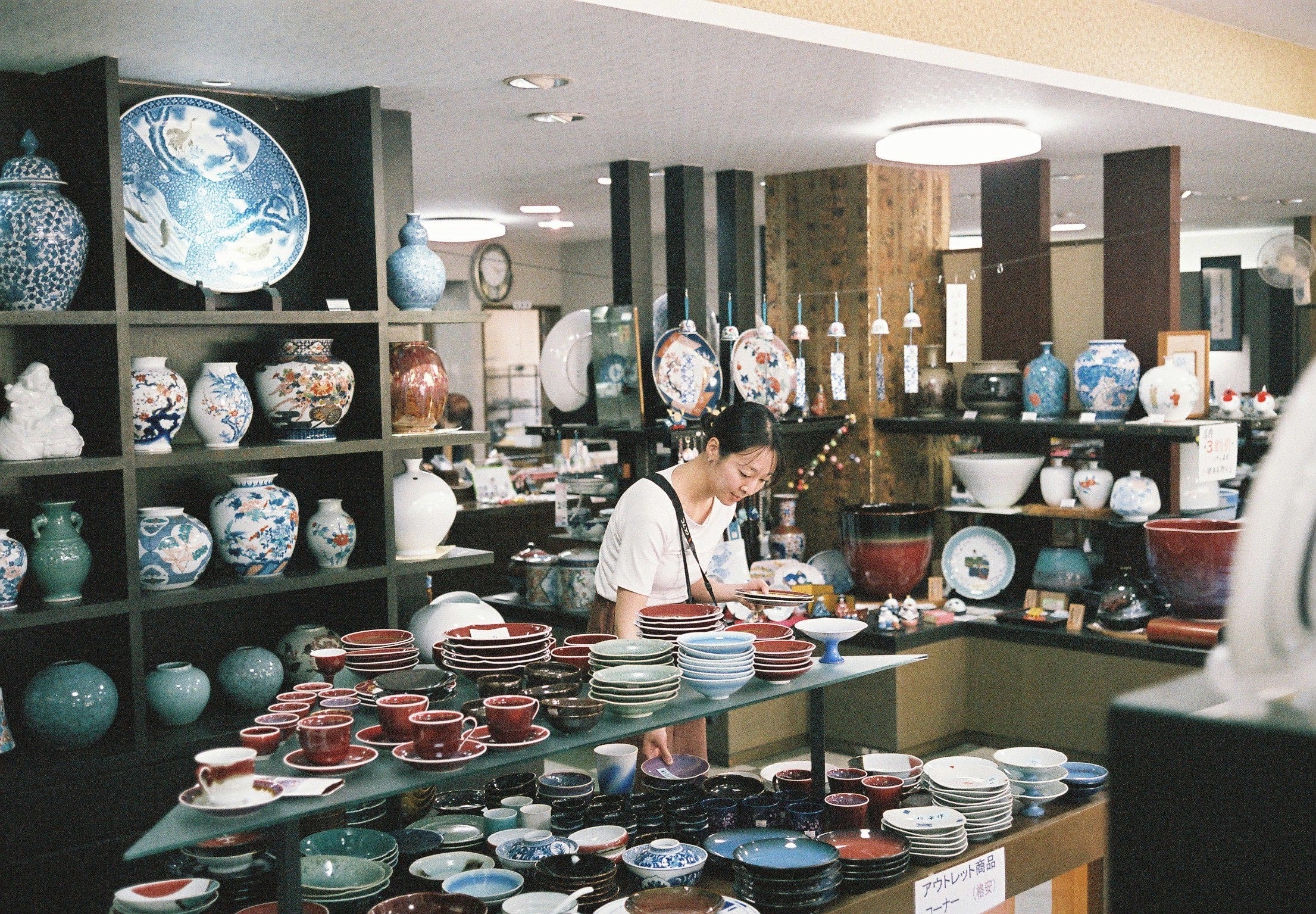
And in Hagi, we encountered Hagi-yaki.
Hagi-yaki is known for the gentle softness of its clay and the subtle, blurred colors of its glaze.
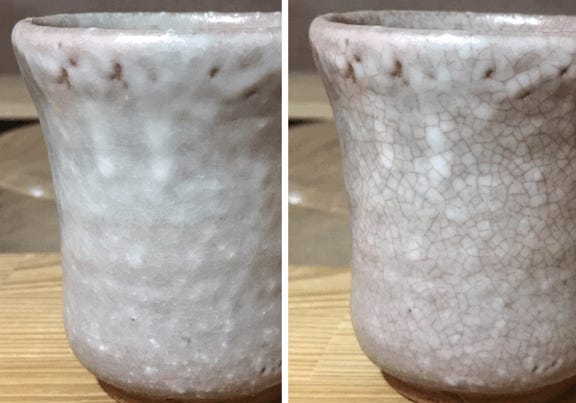
The fine crackled pattern on the surface—kannyū—slowly changes over time as the piece is used.
It is said that the vessel grows with the person who uses it.
We also visited one of the Hagi kilns.
Each piece is shaped carefully by hand.
Using something that could be considered an artwork as an everyday object feels like a small luxury.
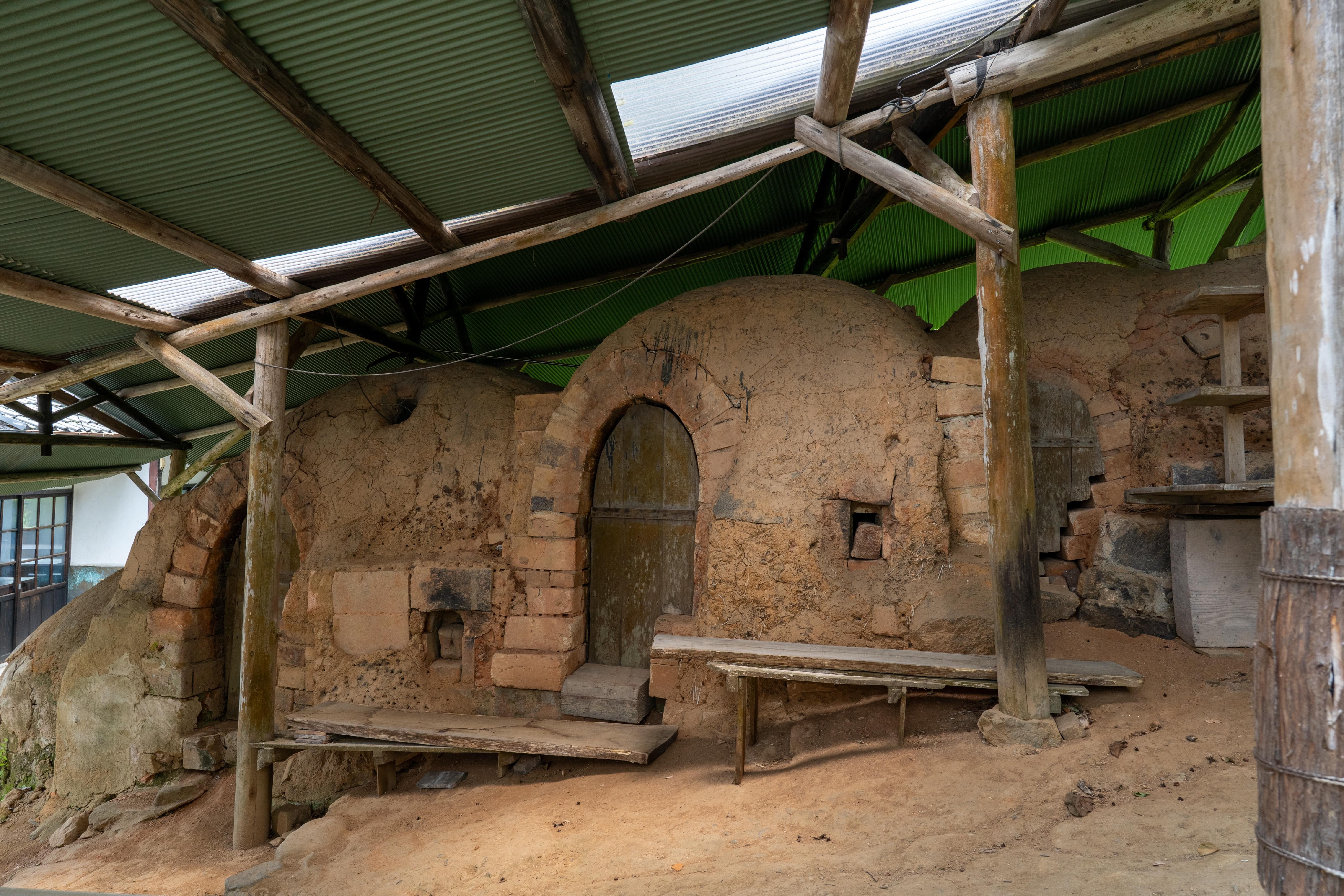
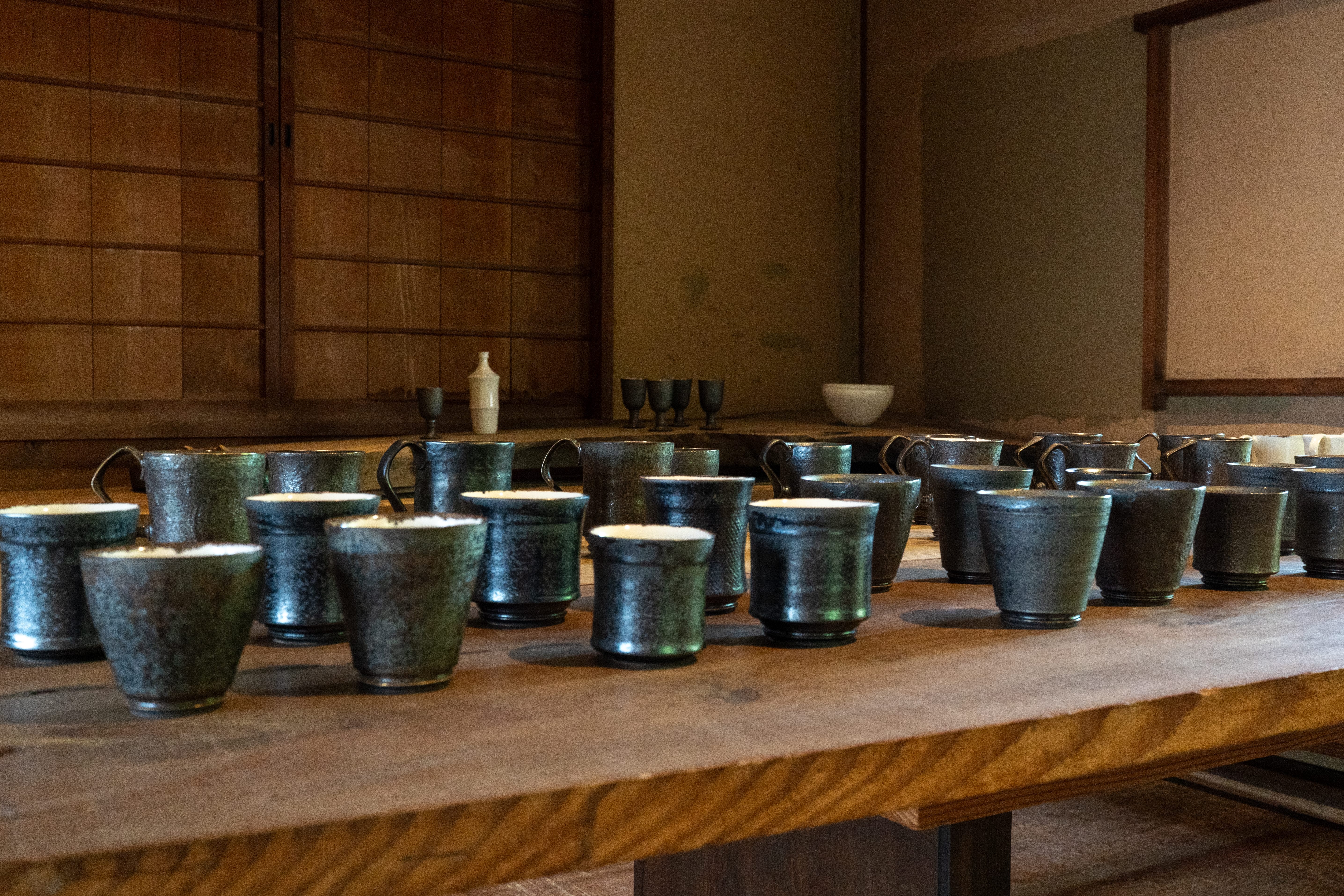
So of course, while in Hagi, we chose a bowl to bring home.
This is the one we selected:
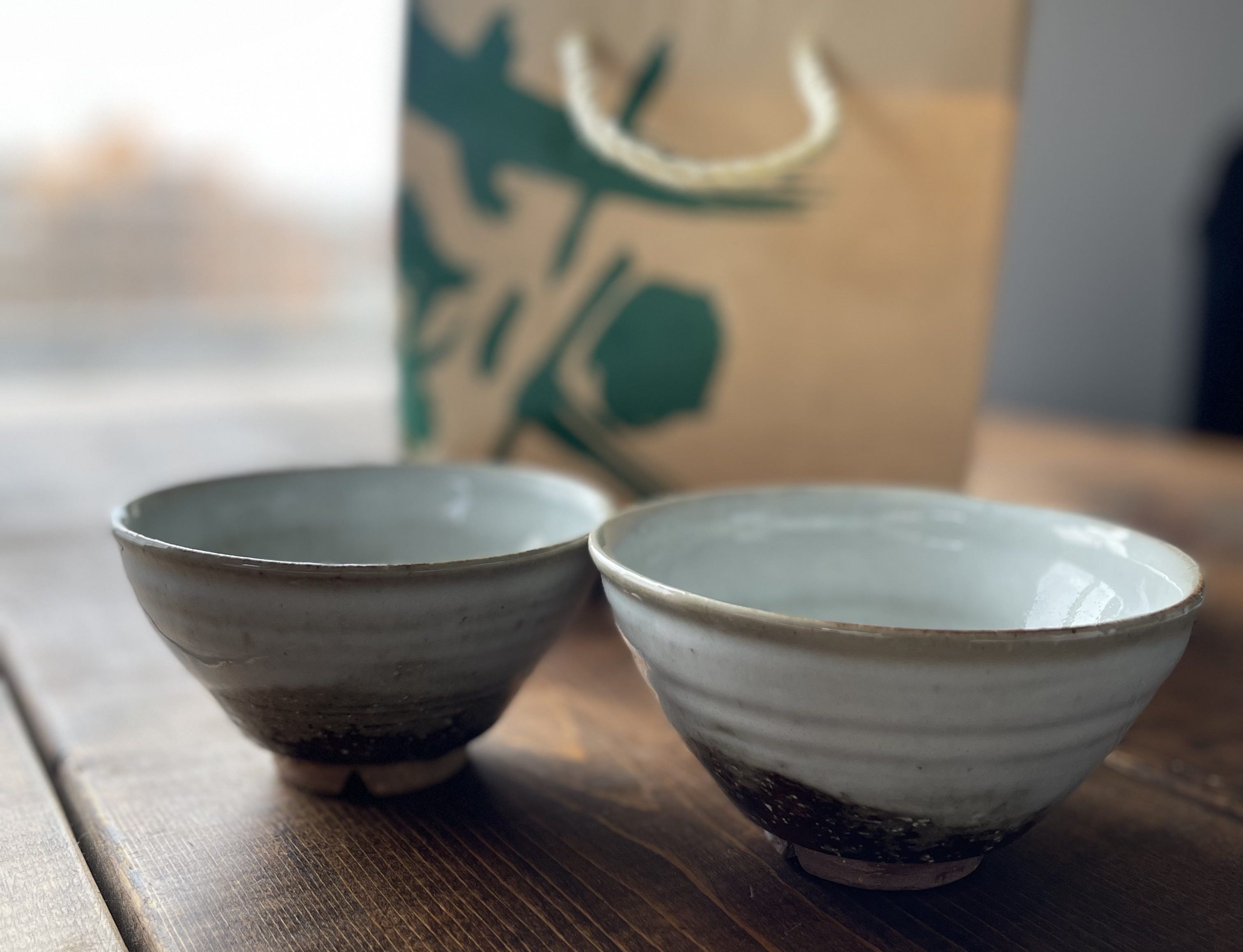
The colors are soft, and when held in the hands, it feels as though it carries a quiet warmth.
We are looking forward to watching the kannyū deepen slowly as we use it.
Here is an example of how the pattern changes:
After returning home, we began using the bowl right away.
It is now the season of freshly harvested rice.
This year’s new rice has a clear shine when cooked, each grain standing distinctly.
The aroma is gentle, and the sweetness expands as you chew.
Eating new rice in a bowl you love makes it taste even more special.
In recent years, rice harvests have decreased and prices have risen.
Yet many people still choose new rice—perhaps because there is a deep cultural value in tasting the season.
If you visit Japan, I hope you will try new rice.
You may be surprised by its natural sweetness.
One of the easiest places to feel the season is the supermarket or yaoya (greengrocer).
Japan has four clear seasons, and each season brings its own ingredients.
Right now, you’ll see:
satsumaimo (sweet potato)
kuri (chestnut)
kinoko (mushrooms)
kaki (persimmon)
mikan (mandarin orange)
These are all symbols of autumn.
You may also notice vegetables that are less familiar overseas, such as:
naganegi (long green onion / leek)
renkon (lotus root)
gobo (burdock root)
Daily meals reflect the culture of the place.
If you come to Japan, try visiting the nearest supermarket.
And beyond seasonal produce, there are other things in Japanese supermarkets that may surprise you.
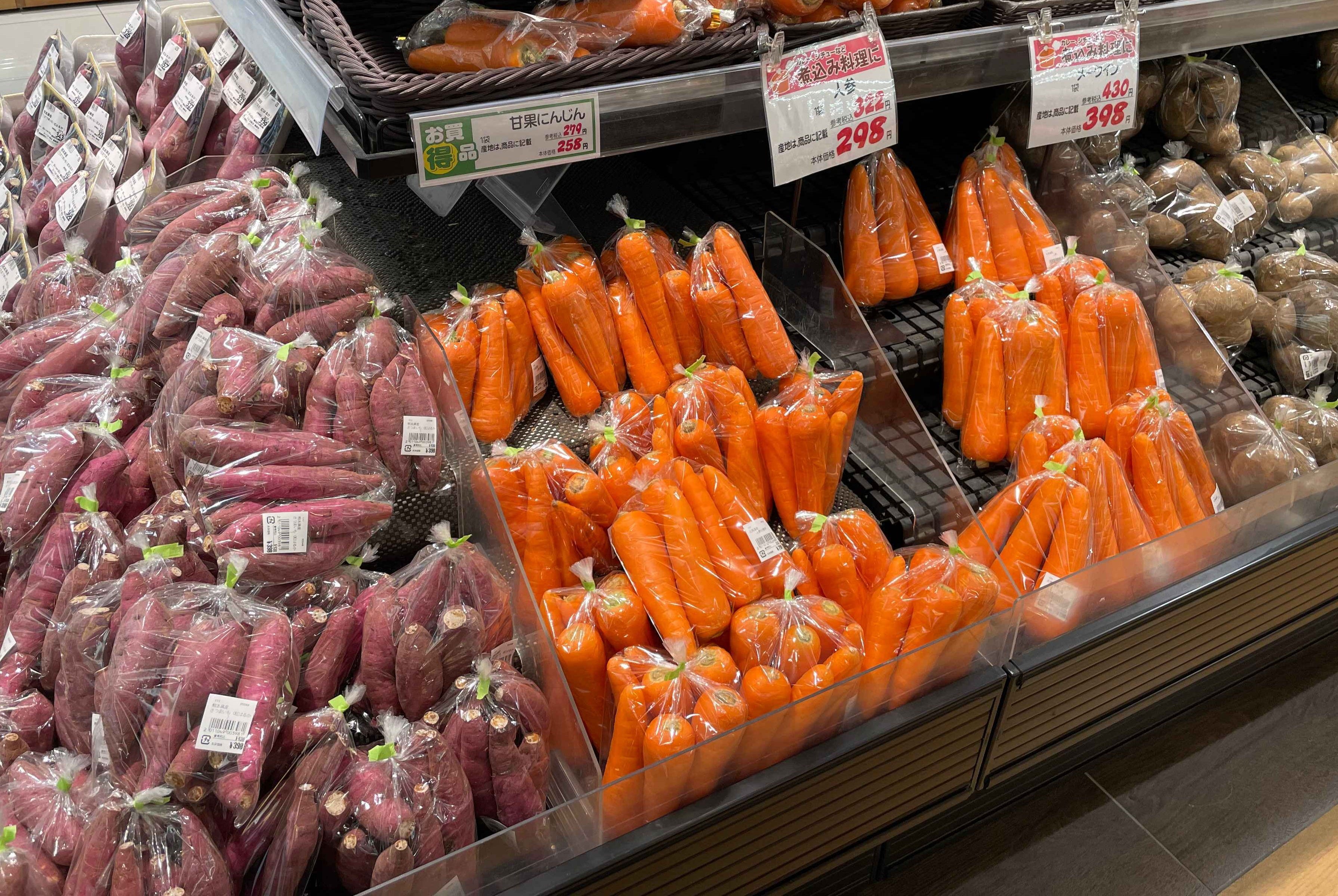
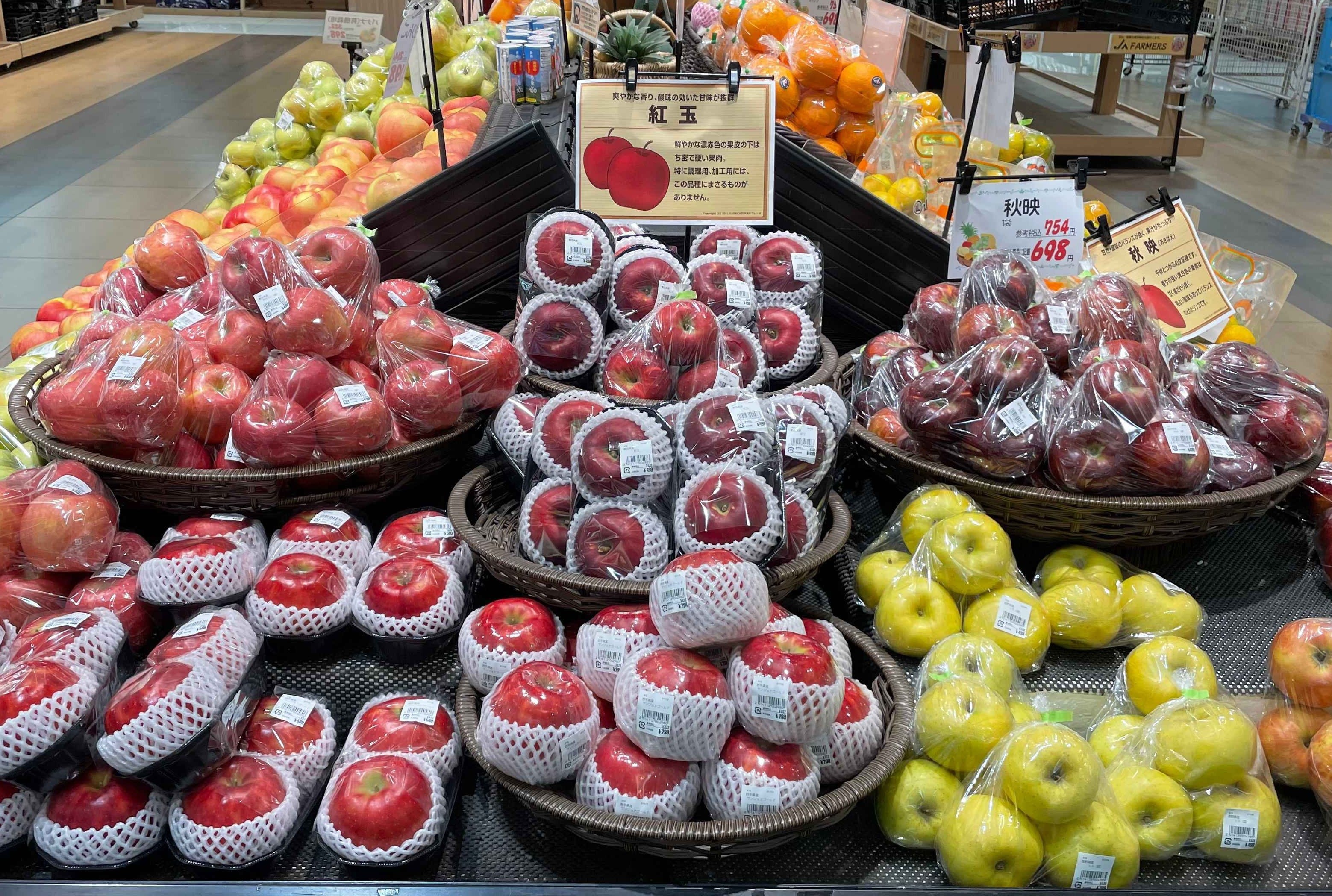
When we showed this photo to a friend overseas, they were very surprised—
and even a little upset.
For us, this is an ordinary sight.
But we realized that the same scene can evoke completely different feelings depending on where one is from.
Do supermarkets in your country look different from this one?
If something comes to mind, we would love to hear it.
Why did our friend react this way?
And what background does this ordinary scene hold?
We will share more about that in next week’s Life in japan.
Thank you for reading.
We look forward to sharing deep Japan on Tuesday, and everyday Japan on Saturday.
With gratitude,
— Sumire