


January 12th was the national holiday known as 成人の日 (Seijin no Hi) — Coming of Age Day, when municipalities across the nation hold simultaneous ceremonies to celebrate their new adults.
Just as forecast, a cold wave and low-pressure system brought freezing rain, snow, and winds strong enough to snatch umbrellas away in many regions. Yet, piercing through the lead-gray sky and stormy weather, a vibrant burst of color emerged on the streets.
The protagonists of this scene are, without a doubt, the women in their 振袖 (Furisode) — long-sleeved kimonos — and the men dressed in their brand-new suits.
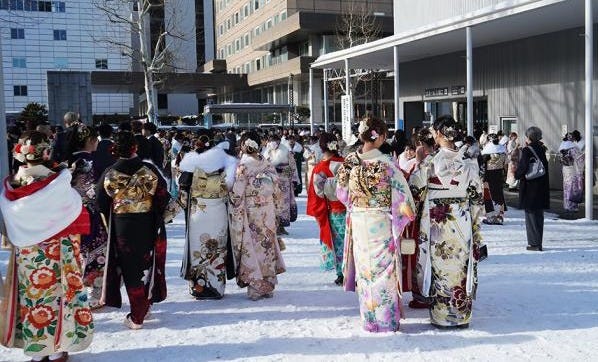
Especially the women bring a burst of color: Red, blue, white, pink. Their overwhelming brilliance seemed to turn even the bad weather into an ally, instantly dyeing the gray cityscapes with color.
On the other hand, the men’s style is more subdued. While some young men choose to walk powerfully in the traditional 紋付袴 (Mon-tsuki Hakama) — a formal combination of a crested kimono and wide trousers — their numbers are few. The vast majority choose dark-colored suits.
Gorgeous traditional beauty versus the strict uniform of modernity. On their faces, as they walk in unfamiliar 草履 (Zori) — traditional sandals — or leather shoes, you can see a mixture of tension at entering society as adults, and the elation of wearing such celebratory attire. And beside them are the warm gazes of families, watching their children’s growth with pride. Even the stormy weather could not steal the brightness of this day. This is the morning of Japan’s “Coming of Age Day.”
What these women are wearing is not merely formal wear. In Japanese, there is a word called ハレ (Hare). This is the opposite of ケ (Ke), which signifies the mundane or everyday; Hare signifies the special, extraordinary moments like New Year’s, festivals, and life’s milestones. The 晴れ着 (Hare-gi) — literally “sunny-day clothes” — they wear are sacred outfits prepared specifically for these Hare days to purify the space, mark a distinction from daily life, and celebrate the life that lies ahead.
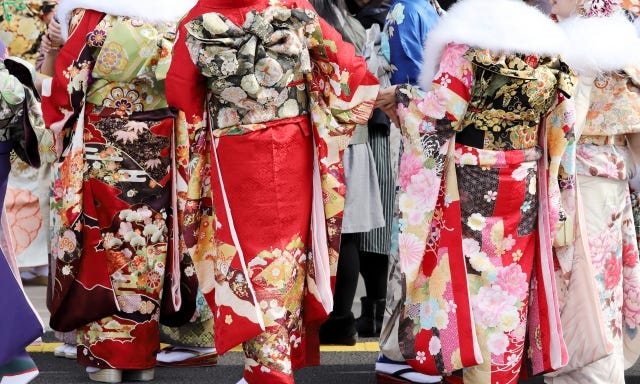
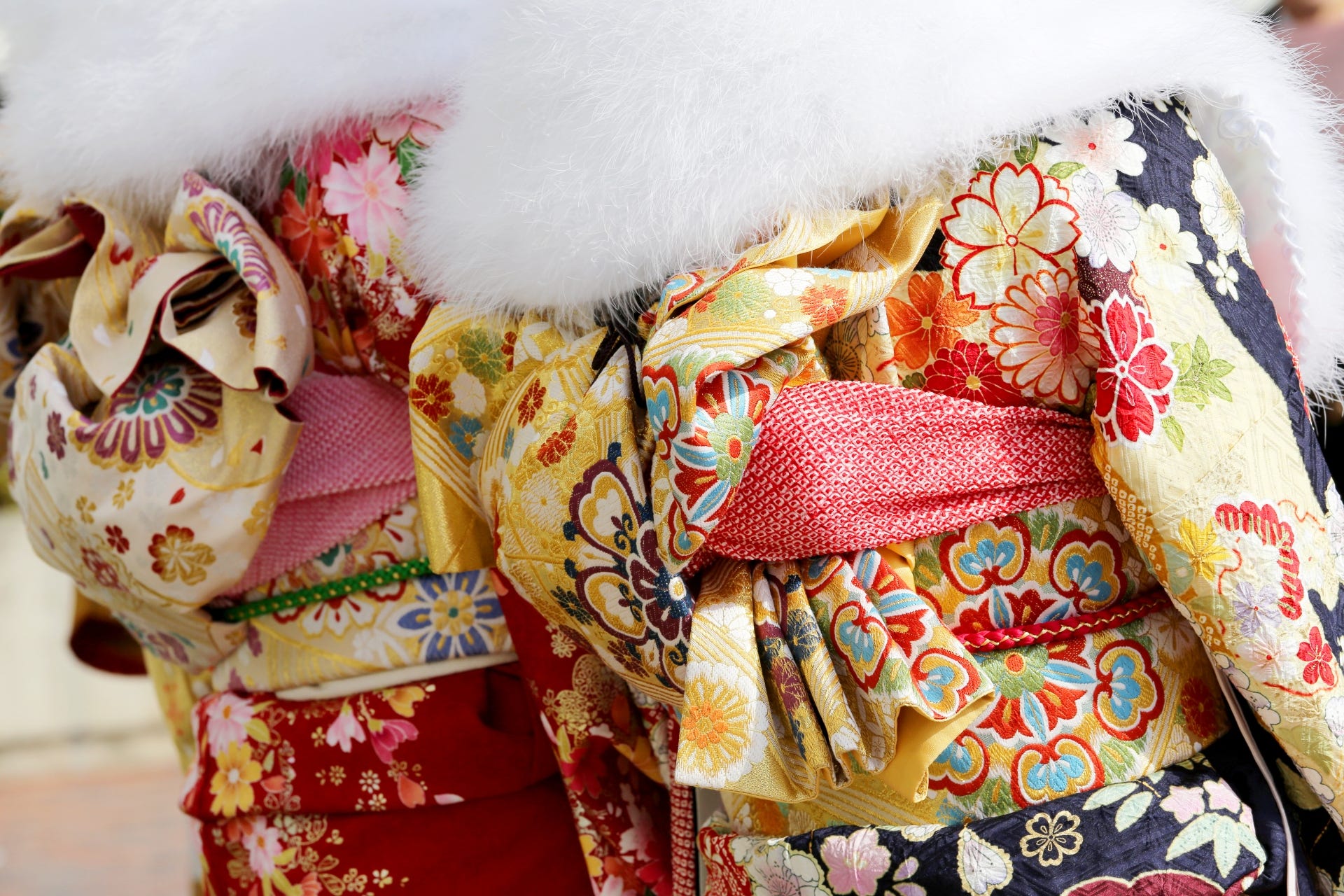
The symbol of this is the Furisode. As those familiar with Japanese kimono may know, this “long-sleeved kimono” is not something just anyone can choose freely. It is traditionally defined as the highest formal attire for unmarried women, a very special garment limited by age and status.
Wrapped in Furisode or Hakama, quietly taking a step toward adulthood. Coming of Age Day is a solemn day where Japan’s traditional beauty comes alive.
However, behind this scene of old-world beauty lies a somewhat complex situation created by a legal change: the gap between the numbers “18” and “20.”
In this article, I will organize the meaning held by the special attire known as Furisode, and the conflicts in modern Japan born from the lowering of the age of adulthood. Even though the legal definition has changed, why do Japanese people cherish the milestone of “20 years old” so deeply?
When we dig into the reason, we begin to see the “whereabouts of the heart” that Japanese people are unconsciously trying to protect—something that goes beyond mere systems and laws.
